The Night the Pacific Shook
A catastrophic magnitude 8.8 earthquake has struck deep within the North Pacific, triggering widespread panic and immediate tsunami warnings across the region. The massive undersea rupture occurred more than a hundred kilometers offshore during the fading evening light. Because the quake happened at a remarkably shallow depth, it violently shoved an entire column of the ocean upward. Within mere minutes of the initial shock, advanced satellites detected a subtle but dangerous water bulge racing across the open sea. Meanwhile, terrified residents in nearby coastal towns witnessed strangely retreating shorelines and violently churning harbors.
In the remote region of Kamchatka, panicked citizens poured directly into the streets as the ground stopped shaking. Their mobile phones buzzed relentlessly with conflicting emergency alerts that added to the chaos. Many locals found themselves torn between initial disbelief and a grim historical memory of the devastating 1952 tsunami. Authorities quickly urged everyone in low-lying northern areas to seek immediate high-ground shelter. The sheer scale of the seismic event sent shockwaves through geological monitoring stations worldwide. Scientists immediately began calculating the projected path of the energy radiating across the ocean basin.
Hawaii Prepares for Impact
Thousands of miles away, the state of Hawaii braced itself as sophisticated computer models predicted wave arrival times down to the minute. Local emergency broadcast systems blared across every island, urging immediate evacuation of all coastal zones. Popular beaches emptied within minutes as tourists and residents fled the oncoming threat. Major coastal highways quickly clogged with long lines of cars inching slowly toward higher ground. Panic grew slightly as families attempted to contact loved ones before cellular networks became overloaded.
In heavily fortified emergency centers, exhausted officials watched real-time tide gauges tick steadily upward. They fully understood that every single centimeter of rising water meant human lives were directly at stake. First responders deployed across vulnerable zones to ensure no one remained in the designated danger sectors. Sirens wailed continuously through the night, echoing against the mountains of Oahu and Maui. The atmosphere across the islands remained incredibly tense as the predicted arrival window finally closed in. Millions of people could only wait and pray that the incoming waves would lose momentum.
The Ocean Unleashes Its Power
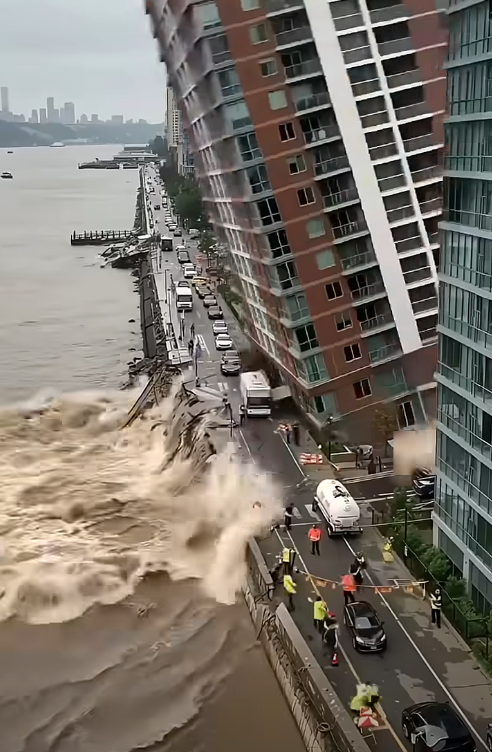
When the first waves finally struck the Hawaiian coastline, the true power of the ocean became terrifyingly visible. The water level surged rapidly, swallowing beaches and crashing violently into coastal infrastructure. Harbors experienced massive currents that tossed anchored boats around like simple plastic toys. Seawalls were breached in several low-lying communities, sending saltwater pouring into nearby streets. Fortunately, the early evacuations successfully kept residents out of harm’s way during the initial surges.
As the secondary waves continued to roll in, damage assessments began via remote cameras. The entire Pacific region learned once again how small humanity is against such colossal natural forces. This event serves as a stark reminder of the deep, slow violence constantly brewing of the Earth beneath us. Geologists note that this specific rupture will alter coastal safety protocols for many decades to come. International relief agencies are already organizing emergency response teams to assist the hardest-hit communities. The long night may be over, but the road to recovery and analysis has just begun.